
Understanding the psychology behind casino gambling choices
The allure of gambling: Why do people play?
The psychology behind why individuals engage in casino gambling is multifaceted and deeply rooted in human behavior. One of the primary attractions is the thrill associated with risk-taking. This excitement can trigger the release of dopamine, the ‘feel-good’ neurotransmitter, which reinforces the desire to continue playing. For many, the prospect of a big win creates an adrenaline rush that keeps players returning to the casino floor. Additionally, some may look for the best casino sites not on gamstop as they navigate their gambling experiences.
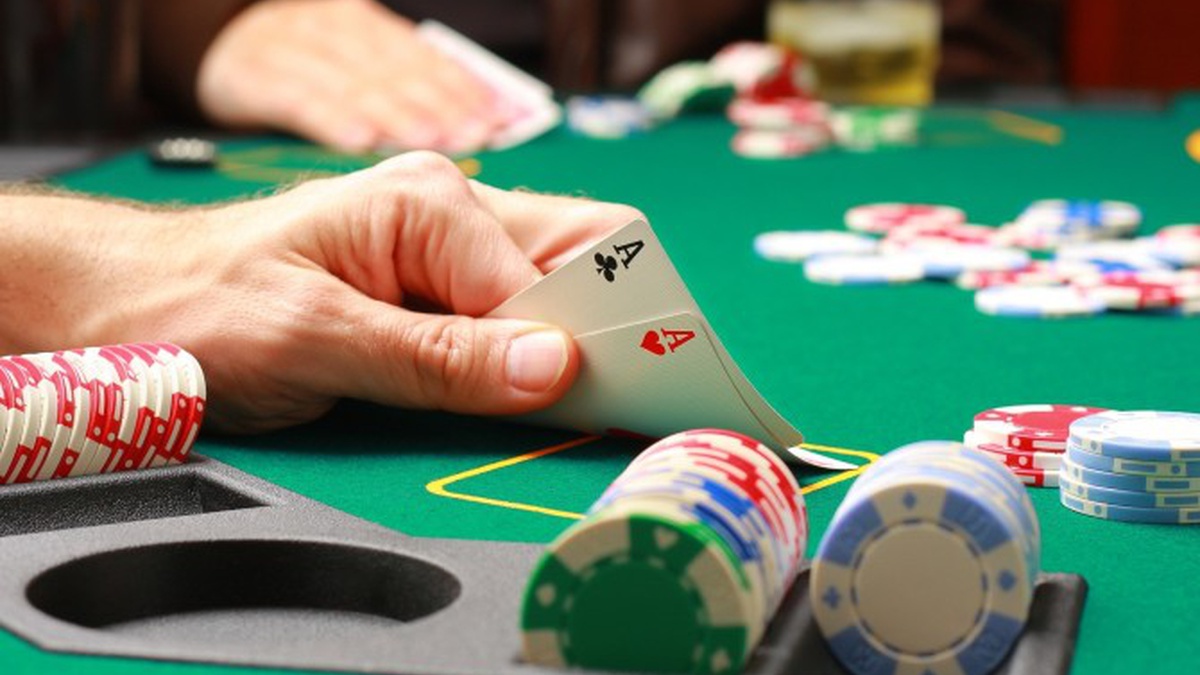
Additionally, social factors play a significant role in gambling decisions. Many individuals enjoy the communal aspect of casinos, where they can interact with others while participating in games. This social environment can create a sense of belonging and excitement that enhances the overall gambling experience, leading people to make choices that they might not consider in isolation.
Cognitive biases and gambling decisions
Cognitive biases significantly influence the decisions gamblers make at a casino. One prevalent bias is the illusion of control, where individuals believe they can influence the outcome of games of chance, such as slot machines or roulette. This misconception leads players to take risks they otherwise might avoid, as they overestimate their chances of winning.
Another cognitive distortion is the gambler’s fallacy, which is the mistaken belief that previous outcomes will affect future results. For example, if a player sees a slot machine hasn’t paid out for a while, they may assume it is “due” for a win. Such thinking can lead to increased gambling, as players chase losses, hoping for a change in fortune that may never come.
The role of emotions in gambling behavior
Emotions significantly impact gambling choices and behaviors. Many players gamble to escape negative emotions or to elevate positive feelings, often using gambling as a coping mechanism. This emotional regulation can lead to problematic gambling behavior when individuals rely on these activities to manage stress, anxiety, or depression.
Furthermore, the enjoyment of winning can create a euphoric state that reinforces gambling behavior. However, negative emotions, such as guilt or shame from losing, can lead to further gambling in an attempt to recoup losses. This cycle creates a complex emotional landscape that can be challenging for individuals to navigate without assistance.
Marketing strategies and their impact on gambling choices
The casino industry employs various marketing strategies to attract and retain customers. These strategies often use psychological principles to create enticing environments that encourage gambling. For instance, the use of bright lights, engaging sounds, and rewarding experiences are designed to stimulate excitement and prolong gambling sessions.
Moreover, loyalty programs and bonuses can manipulate players’ psychology by creating a sense of commitment. When gamblers feel they have invested time and money into a casino, they may be more likely to continue playing. This method exploits commitment biases, leading players to make choices that may not be in their best interest but feel justified because of the perceived value of their previous investments.

Support and resources for responsible gambling
Understanding the psychology behind casino gambling choices is crucial in promoting responsible gambling practices. Many resources are available for individuals seeking help or guidance related to gambling behaviors. These resources often emphasize the importance of self-awareness and recognizing harmful patterns before they escalate.
Organizations dedicated to gambling addiction provide valuable information and support for individuals and families affected by gambling-related issues. They aim to foster a community where people can share their experiences and learn healthier coping mechanisms, ultimately leading to more informed and responsible gambling choices.